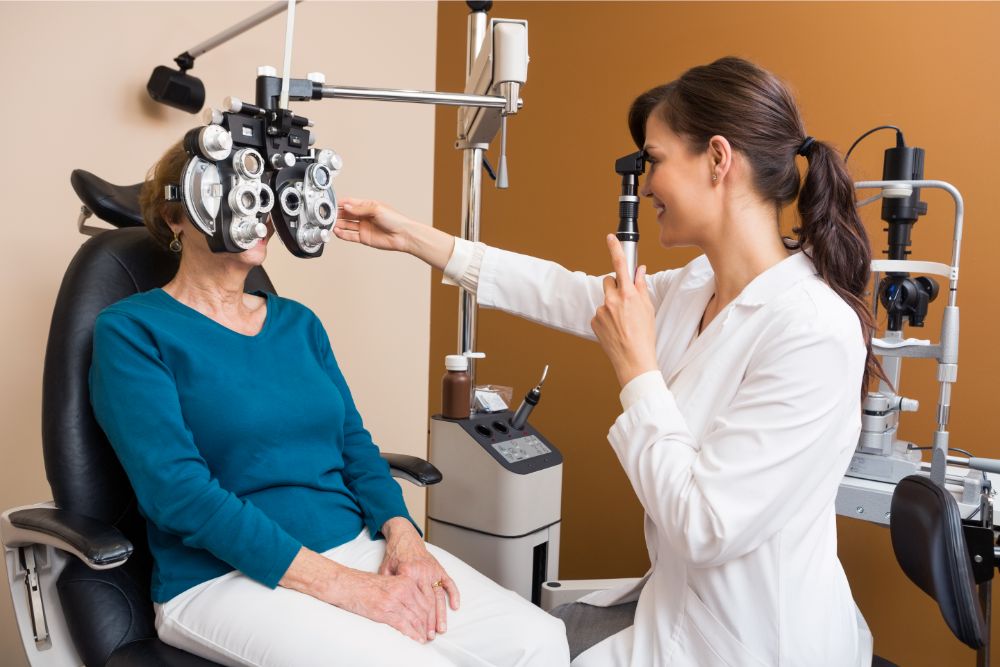
Finding an optometrist near me is often the first step when you notice blurry vision, eye strain, headaches, difficulty reading, or simply want to keep your eyes healthy. Regular eye examinations are not only about checking whether you need glasses or contact lenses—they can also help identify certain eye conditions before noticeable symptoms develop.
Whether you are looking for a routine eye examination, a new glasses prescription, contact lens advice, or help with an eye concern, choosing the right optometrist can make your experience more comfortable and effective.
Why Regular Eye Tests Matter
Many people wait until their vision becomes noticeably blurry before booking an appointment. However, some eye conditions can develop gradually without obvious warning signs. A comprehensive eye examination allows an optometrist to assess both your vision and overall eye health.
An eye examination can help identify problems involving vision clarity, eye pressure, peripheral vision, eye muscles, the front of the eye and the retina. Depending on your age, health history and symptoms, your optometrist may recommend different tests.
Regular examinations can also help detect conditions such as glaucoma, cataracts and macular degeneration at an earlier stage. Early identification can make it easier to arrange appropriate management or referral when necessary.
When Should You Search for an Optometrist Near Me?
You do not necessarily need to wait for a serious vision problem before visiting an optometrist. Booking an appointment can be worthwhile if you experience:
- Blurry or reduced vision
- Frequent headaches when reading or using screens
- Difficulty seeing clearly at night
- Eye strain or tired eyes
- Difficulty focusing on nearby objects
- Double vision
- Increased sensitivity to glare
- Changes in your peripheral vision
- Dry, irritated or uncomfortable eyes
- Problems with your current glasses or contact lenses
Changes in eyesight should not be ignored. If your vision changes, arranging an eye examination can help determine whether the problem is related to your prescription or whether further assessment is needed.
What Happens During an Eye Examination?
If you have never visited an optometrist before, knowing what to expect can make the appointment much easier.
Your optometrist will generally ask about your vision, general health, family history and any symptoms you have noticed. Different tests may then be performed depending on your individual needs.
Visual Acuity Testing
This is one of the most familiar parts of an eye examination. You may be asked to read letters, numbers or symbols from a chart at different distances. This helps assess how clearly you can see.
Prescription Testing
If your vision indicates that you may benefit from glasses or contact lenses, the optometrist can perform refraction testing. Different lenses are compared to determine an appropriate prescription for your eyesight.
Peripheral Vision Testing
Your side vision may also be assessed. Changes in peripheral vision can sometimes be associated with eye conditions such as glaucoma, making this an important part of a comprehensive examination when appropriate.
Eye Pressure Testing
Tonometry measures pressure inside the eye. Increased eye pressure can be associated with glaucoma, although pressure testing is only one part of assessing eye health.
Examination of the Eye
An optometrist may examine the front and back of your eyes using specialised equipment. This can allow them to assess structures such as the cornea, lens, retina, blood vessels and optic nerve.
How to Choose the Right Optometrist
When searching online for an optometrist near me, distance is important, but it should not be your only consideration.
Look for a practice that provides comprehensive eye examinations and has experienced professionals who take time to understand your individual needs. It can also be helpful to check whether the practice offers the services you require, such as prescription glasses, contact lens fitting, children’s eye examinations or ongoing eye health monitoring.
Convenience matters too. A nearby practice with suitable appointment times can make it easier to maintain regular eye examinations rather than postponing them.
You may also want to check patient reviews, available services, accessibility, appointment availability and pricing before making your decision.
Optometrist vs Ophthalmologist: What’s the Difference?
Although the terms are sometimes used interchangeably, optometrists and ophthalmologists have different roles.
Optometrists are trained to assess vision, prescribe and fit glasses or contact lenses, and identify and manage many eye problems. They can also recognise signs of more serious conditions and refer patients to an ophthalmologist when specialist medical or surgical care is required.
An ophthalmologist is a medical doctor specialising in eye diseases and can provide medical and surgical treatment. Depending on the problem, an optometrist may be the appropriate first point of contact.
How Often Should You Have an Eye Examination?
The ideal frequency depends on factors such as your age, existing eye conditions, general health and family history.
For many adults, routine eye examinations every couple of years may be appropriate, while people with certain risk factors may need more frequent assessments. Health guidance recommends discussing the appropriate examination schedule with your optometrist, particularly if you have diabetes, a family history of eye disease or other risk factors.
Children should also have their vision checked regularly because vision problems can affect learning, development and everyday activities.
What to Consider Before Booking
Before choosing an optometrist near me, consider what you actually need from the appointment.
If you simply need a routine eye check, look for a practice offering comprehensive examinations. If you already wear glasses, take your current prescription and glasses with you if possible. Contact lens wearers should mention their lenses and any discomfort or changes they have experienced.
It is also worth preparing a short list of questions. You could ask whether your prescription has changed, whether your eyes appear healthy, how frequently you should return and whether you need any additional testing.
Being open about symptoms is important. Even something that seems minor, such as occasional blurred vision or difficulty seeing at night, can provide useful information to your optometrist.
Don’t Ignore Sudden Changes in Vision
Routine eye care is important, but some symptoms require prompt medical attention. Severe eye pain, sudden vision loss, flashing lights, significant sensitivity to light or certain combinations of eye and neurological symptoms can require urgent assessment.
If you experience a sudden and serious change in your vision, do not rely on a routine appointment several days later. Seek urgent medical care.
Make Eye Care Part of Your Routine
Looking after your eyesight is an ongoing process rather than something you only think about when you need new glasses. Protecting your eyes from UV exposure, using appropriate eye protection during risky activities, practising good contact lens hygiene and taking regular breaks from screens can all support better eye care habits.
Most importantly, do not wait for significant vision problems before arranging an examination. A qualified optometrist can assess your vision, check your eye health and advise you about the next steps based on your individual needs.
So, if you have been searching for an optometrist near me, compare local practices based on their services, experience, convenience and approach to patient care. Choosing a professional you feel comfortable visiting regularly can help make eye health a simple and consistent part of your overall wellbeing.